
What Are Liver Enzyme Tests?
Liver enzyme tests are simple blood tests. They check how well your liver is working. Doctors use these tests to look for signs of liver damage or disease. Because your liver helps your body digest food and remove toxins, keeping it healthy is important. Liver enzyme tests are also called liver function blood tests. They help find problems early, so you can get the right care.
Common Types of Liver Enzyme Tests
There are several main liver enzyme tests. Each one looks at a different part of liver health. For example, doctors often order these tests together:
Doctors may also check other markers, but these are the most common.
Why Are Liver Enzyme Tests Ordered?
Doctors order liver enzyme tests for many reasons. Sometimes, you may have symptoms that suggest a liver problem. Other times, these tests are part of a routine checkup. For instance, you may need them if you:
In addition, liver enzyme tests help monitor ongoing liver conditions.
How Are Liver Enzyme Tests Performed?
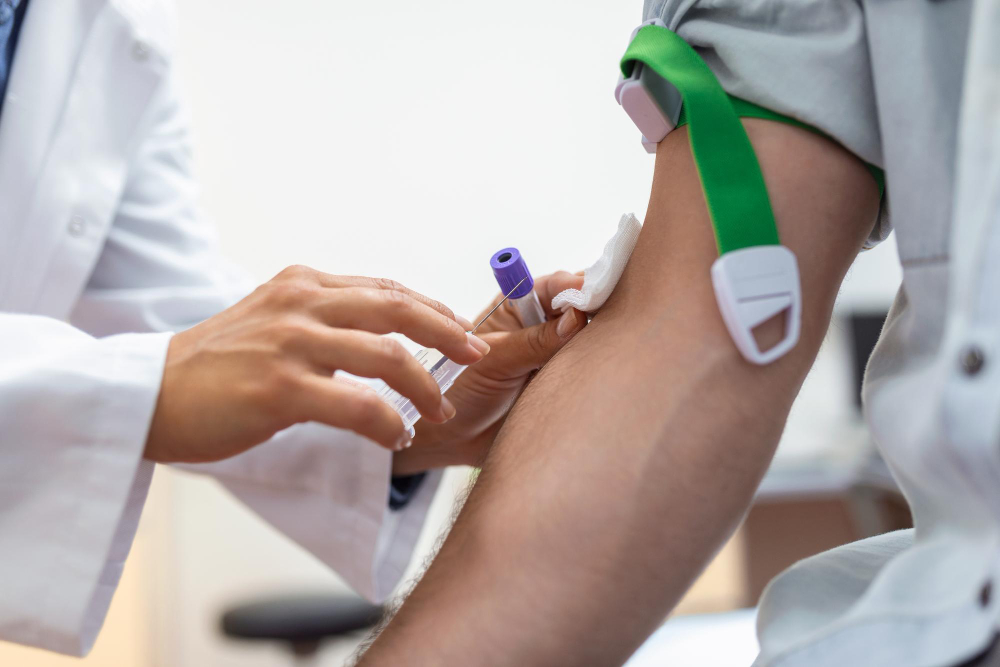
Liver enzyme tests are quick and easy. First, a healthcare worker takes a small blood sample from your arm. Then, the sample goes to a lab for testing. You may not need to fast, but sometimes your doctor will ask you not to eat before the test. Results are usually ready in a few days. If you live in a city, local clinics and hospitals often offer these tests.
Understanding Your Results: What High or Low Levels Mean
After your liver enzyme tests, your doctor will explain the results. Normal liver enzyme levels can vary by age, sex, and the lab used. However, here is what high or low levels may mean:
Sometimes, mild changes are not serious. But, large changes may need more tests. Always talk to your doctor about your liver enzyme test results.
Symptoms That May Lead to Liver Enzyme Testing
Doctors may suggest liver enzyme tests if you have certain symptoms. For example, watch for:
If you notice these signs, it is important to see a healthcare provider soon.
Lifestyle Guidance for Liver Health
Keeping your liver healthy is possible with simple steps. For instance, you can:
Additionally, regular checkups help catch problems early.
Prevention and When to See a Doctor
To prevent liver problems, avoid risky behaviors and get vaccinated for hepatitis if needed. Also, see your doctor if you have symptoms or risk factors. Early testing can help prevent serious liver disease. If your liver enzyme test results are not normal, follow your doctor’s advice for next steps.
Consult a healthcare professional for personalized advice about liver enzyme tests.