
Introduction to Hepatitis A
Hepatitis A is a liver infection caused by the hepatitis A virus. This illness spreads easily, especially in places with poor sanitation. Many people want to know about Hepatitis A symptoms, how it spreads, and ways to prevent it. According to the CDC and WHO, Hepatitis A is common worldwide. However, most people recover fully with proper care. In this blog, you will learn about the signs, causes, diagnosis, treatment, and prevention of Hepatitis A.
Symptoms of Hepatitis A
Not everyone with Hepatitis A has symptoms. But when symptoms appear, they often start two to six weeks after infection. Early signs can be mild, but they may get worse over time. Common Hepatitis A symptoms include:
Sometimes, children have milder symptoms than adults. Still, it is important to watch for these signs and seek help if needed.
Causes and Risk Factors
Hepatitis A spreads mainly through the fecal-oral route. This means you can get it by eating or drinking something contaminated with the virus. Here are some common ways Hepatitis A is spread:
People at higher risk include travelers, people who use drugs, men who have sex with men, and those with chronic liver disease. But anyone can get Hepatitis A if exposed.
How Hepatitis A is Diagnosed
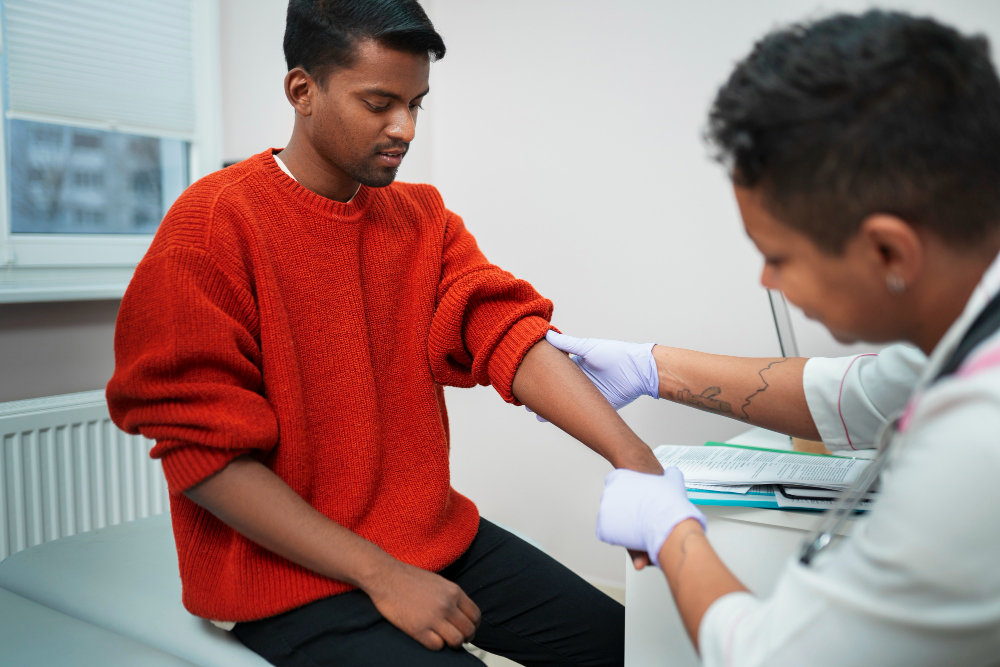
Doctors diagnose Hepatitis A with a simple blood test. This test looks for antibodies that show if you have the virus. Sometimes, doctors may ask about your symptoms and recent travel. They may also check your liver function with other blood tests. Early diagnosis helps prevent the spread of Hepatitis A and allows for better care.
Treatment Options
There is no specific medicine to cure Hepatitis A. Most people get better on their own within a few weeks. However, rest and good nutrition are important. Doctors may suggest:
In rare cases, Hepatitis A can cause severe liver problems. If you feel very sick or have yellow skin, see a doctor right away.
Prevention Strategies
Prevention is the best way to avoid Hepatitis A. The CDC and WHO recommend these Hepatitis A prevention tips:
The vaccine is safe and effective. It is especially important for travelers, children, and people at higher risk.
Lifestyle and Home Care Tips
While recovering from Hepatitis A, you can take steps at home to feel better. For example:
Additionally, keep your hands clean to avoid spreading the virus to others. If you feel worse or cannot keep fluids down, contact your doctor.
When to See a Doctor
Sometimes, Hepatitis A can cause serious problems. You should see a doctor if you:
Early medical care can help prevent complications. If you think you have been exposed to Hepatitis A, talk to your healthcare provider right away.
In summary, Hepatitis A is a preventable liver infection. With good hygiene, vaccination, and early care, you can protect yourself and others. Consult a healthcare professional for personalized advice about Hepatitis A.